

You train hard. Maybe you chase PRs in CrossFit, log miles before work, lace up for hockey, roll on the BJJ mats, or spend your fall hiking and bowhunting across North Dakota. Then pain shows up, and suddenly your routine is on hold.
If you have already tried physical therapy and walked away with a handout of generic exercises and a few minutes of attention, you know how frustrating that feels. You want an expert who understands your sport, finds out why your body is breaking down, and helps you keep moving while you heal.
That is exactly what we do at Unbound Physical Therapy in Bismarck. This guide explains how manual therapy, performance physical therapy, and running physical therapy work together to get you out of pain and back to peak form.
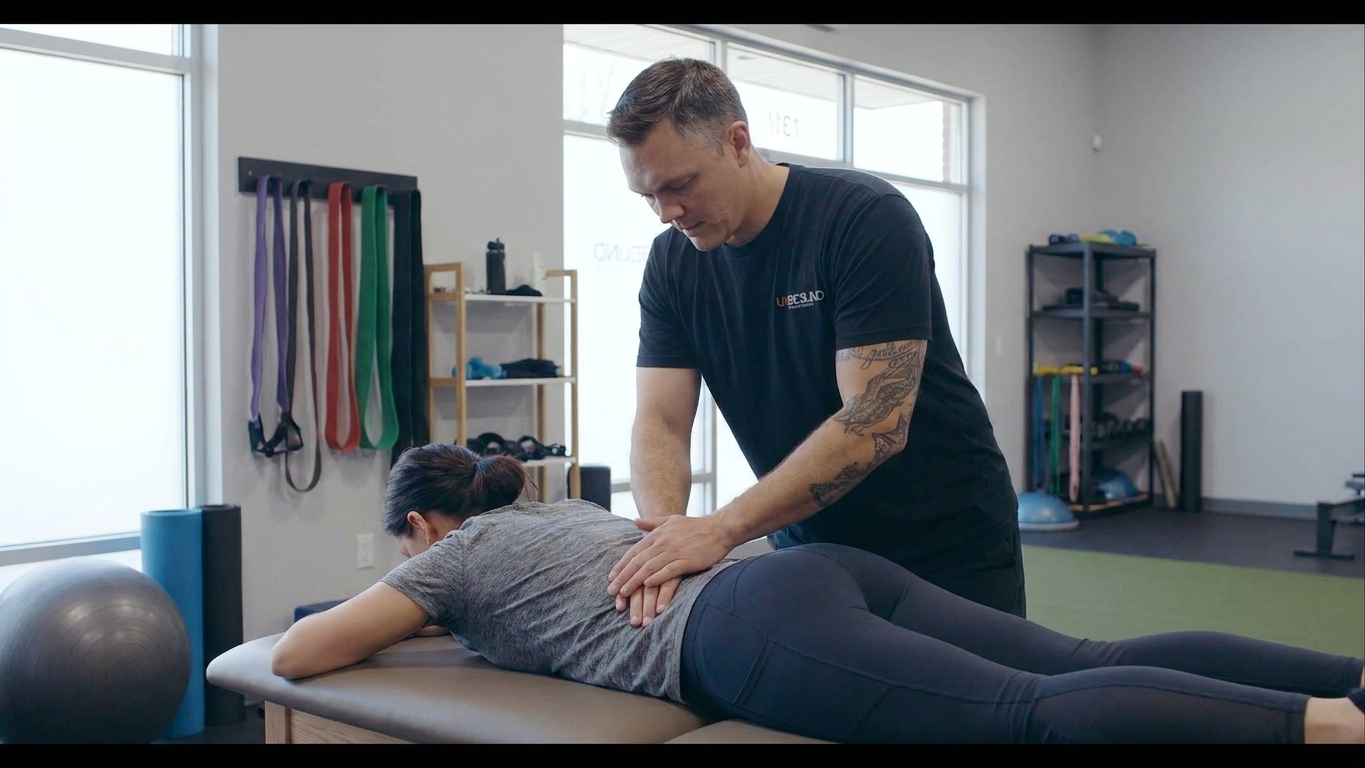
Manual therapy is skilled, hands-on treatment applied to your joints, muscles, and connective tissue. Your physical therapist uses it to reduce pain, improve motion, and change how your tissues feel and move.
For active people, this matters. Stiff joints, guarded muscles, and irritated tissues can limit your range of motion and force other areas to compensate. Manual therapy helps open that window so your exercises work better and your movement feels easier.
It is not a stand-alone fix. Research supports combining manual therapy with active care, such as exercise and movement retraining, for many musculoskeletal conditions. That is how we use it at Unbound Physical Therapy.
Your treatment is matched to what your body needs, not a set routine. Depending on your evaluation, your session may include:
Each tool has a purpose. Your Doctor of Physical Therapy chooses the right one based on what is driving your symptoms.
Many active adults tell us the same story. They spent a few minutes with a clinician, then moved through a circuit of exercises with an assistant on a crowded gym floor. The pain eased for a bit, then came back.
That pattern usually points to one thing: the treatment chased the symptom instead of the source. A sore knee may be a hip strength problem. Recurring low back pain may come from limited mobility somewhere else. Plantar fasciitis may be tied to calf capacity or how you load your foot while running.
At Unbound Physical Therapy, our root-cause philosophy flips the approach. Every visit is a full hour, one-on-one, exclusively with a Doctor of Physical Therapy. No assistants and no shared time. That gives us room to test, treat, teach, and progress you in the same session.
The goal is straightforward. We want to fix what is underneath the pain so you can get back to training, not manage the same flare-up month after month.
Performance physical therapy starts where basic pain relief stops. Feeling better is a great first step. Being strong, resilient, and ready for the demands of your sport is the real finish line.
Our lead therapist is an active CrossFitter and BJJ practitioner who understands what it feels like to be hurt and still want to train. That athlete-first mindset shapes how we build your plan, including how to keep you active during recovery whenever it is safe.
Before we build your plan, we look at how you move. Our assessments may include:
These tests give us real information to work with. They also help you see progress in measurable ways, which matters when recovery feels slow.
Once we know your limits, we build capacity. Your plan may include therapeutic exercise, strength and conditioning, balance and proprioception training, neuromuscular re-education, and plyometrics for power and sport-specific demands.
This is also where prehab fits in. If you are heading into hockey season, a hunting trip, or a race block, we can screen your movement and address weak spots before they become injuries. After surgery, we guide you through rehab with progressions that lead toward return to sport, not just daily activity.
Running looks simple, but it is repetitive loading at high volume. Over thousands of steps, small inefficiencies in strength, mobility, or technique can add up. Overuse injuries are a common driver of running setbacks, which is why training load and movement quality both matter.
If you run in Bismarck and the surrounding area, you also deal with changing conditions. Winter ice, wind, trail terrain, and seasonal training swings can all affect your mechanics and how your body handles load.
Generic advice like "just rest" or "stretch more" rarely solves it. Running physical therapy looks at you as a whole athlete: your strength, mobility, form, and training habits.
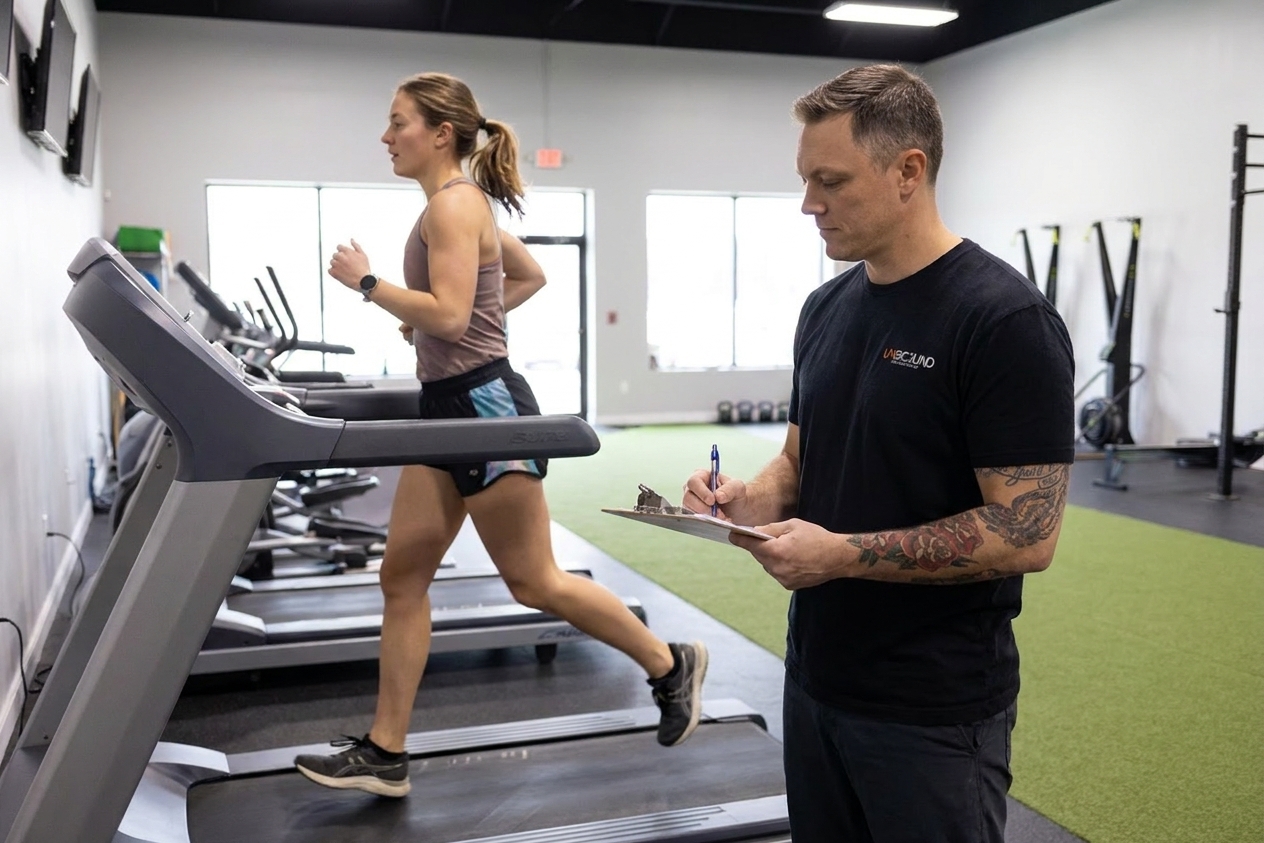
A running form assessment and running gait analysis help us see how you move when it counts. We look at how your body absorbs force, how your hips and trunk control your stride, and where you might be losing efficiency or overloading a tissue.
Then we turn findings into action. That may mean targeted strength work, mobility changes, manual therapy to calm irritated areas, and movement cues to help you run more smoothly. You do not need a full overhaul of your stride. Often, a few well-chosen changes make the biggest difference.
Our team treats a wide range of lower-body and overuse conditions, including:
If you are trying to come back from time off, our return-to-running progressions help you rebuild in stages. We match your training to your tissue tolerance so you can avoid the cycle of running too much, too soon.
Our patients are not only runners and gym athletes. We also work with outdoor athletes, including archery hunters, hunters, and hikers. That is a niche focus, and it matters.
Think about what these activities demand. Holding a draw with a stable shoulder. Hiking with a pack over uneven ground. Sitting still in a stand, then moving quickly when the moment comes. These tasks stress your neck, shoulders, back, hips, and knees in ways that standard rehab often ignores.
We design your plan around the real demands of your season. If your goal is to pull your bow without shoulder pain or hike farther without your knee flaring up, we train for exactly that.
Your first visit is built around you. You will share your history, your goals, and what you have already tried. Then we dig into the details with a full physical examination and movement testing.
A typical session may include:
You will not be handed off or left to guess at your exercises. Your Doctor of Physical Therapy is with you the entire session.
We also believe in patient independence. Our goal is for you to eventually not need us. That means we teach you why things hurt, how to manage flare-ups, and how to keep building strength on your own.
If your symptoms include headaches, dizziness, or concussion-related concerns, our clinic also offers vestibular and concussion care. You can learn more on our Services page.
No. North Dakota is a direct access state, which means you can schedule with a physical therapist without a physician referral. If something hurts or your performance has stalled, you can start sooner instead of waiting for an appointment just to get permission.
Yes. Life gets busy, and training does not stop when you travel for work, competition, or a hunting trip. Virtual rehab and performance training give you access to expert guidance from home.
Virtual sessions can help you keep progressing your exercise plan, adjust your training, and stay accountable. It is a practical option when you cannot make it to the clinic or when you want extra support between in-person visits.
Pain does not have to be the new normal. Whether you are a runner chasing a pain-free long run, a lifter or grappler who wants to train without limits, or an outdoor athlete preparing for the season, you deserve care that is personal, hands-on, and built around your goals.
At Unbound Physical Therapy in Bismarck, you get a full hour with a Doctor of Physical Therapy, treatment aimed at the root cause, and a plan that keeps you moving toward your goals. Learn more about our approach or browse more tips on our blog.
Book your appointment with Unbound Physical Therapy in Bismarck today. No referral needed. Let's find the root cause, get you moving, and help you perform at your best.